
Key Summary
- Ranking #1 no longer guarantees traffic or influence
- Search engines increasingly select answers, not just links
- Content is judged on clarity, usefulness, and credibility
- The “best result” is the easiest to understand and reuse
- Modern SEO rewards selection, not just position
When Ranking Used to Equal Winning
For a long time, SEO success was simple.
If you ranked:
- above competitors
- on page one
- ideally in the top three
You won attention by default.
Users had to click. There were limited alternatives. Visibility and traffic were tightly linked.
That environment shaped how websites were written, structured, and optimised.
It’s also no longer the environment we’re operating in.
What Changed: From Ranking to Selection
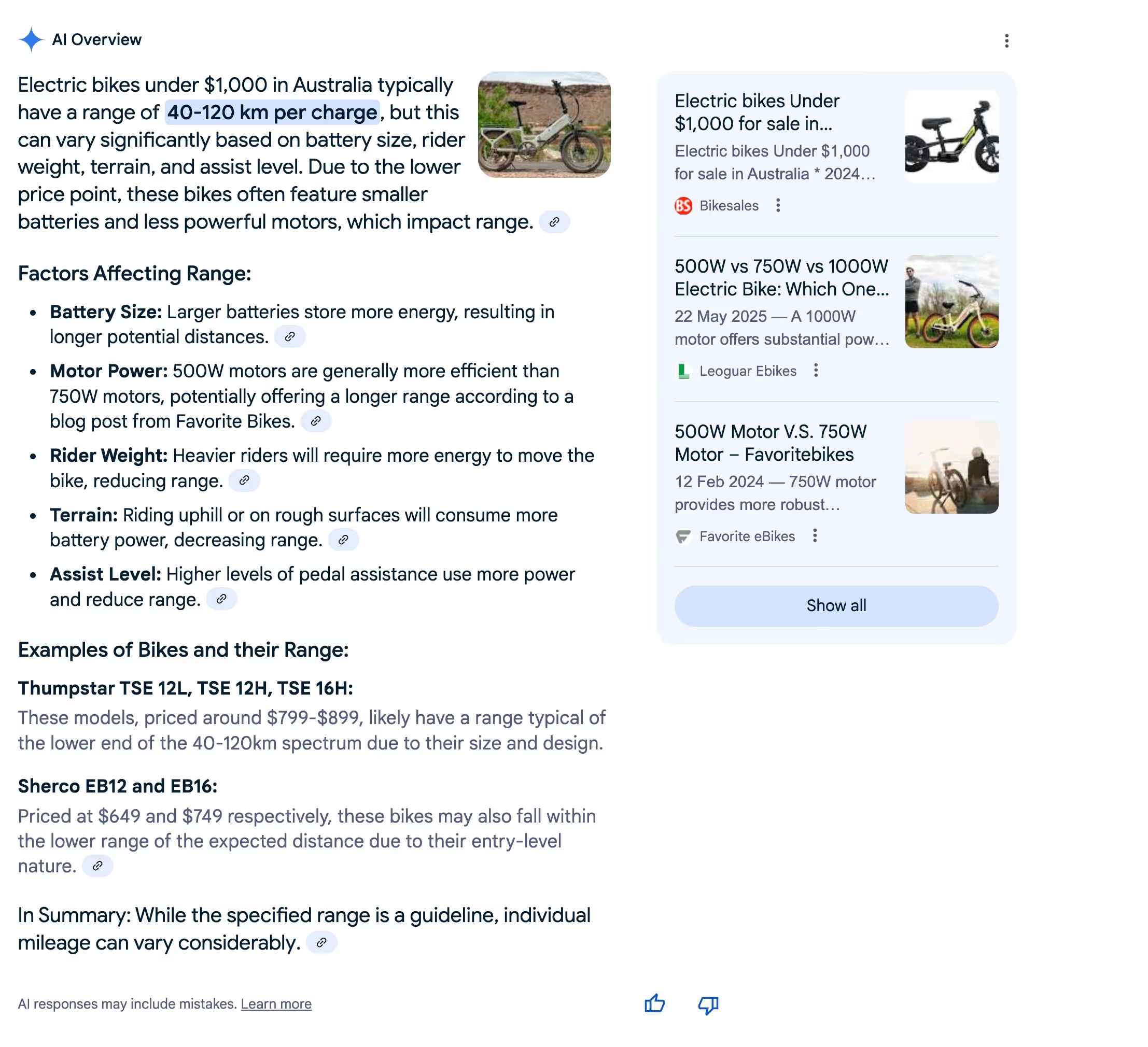
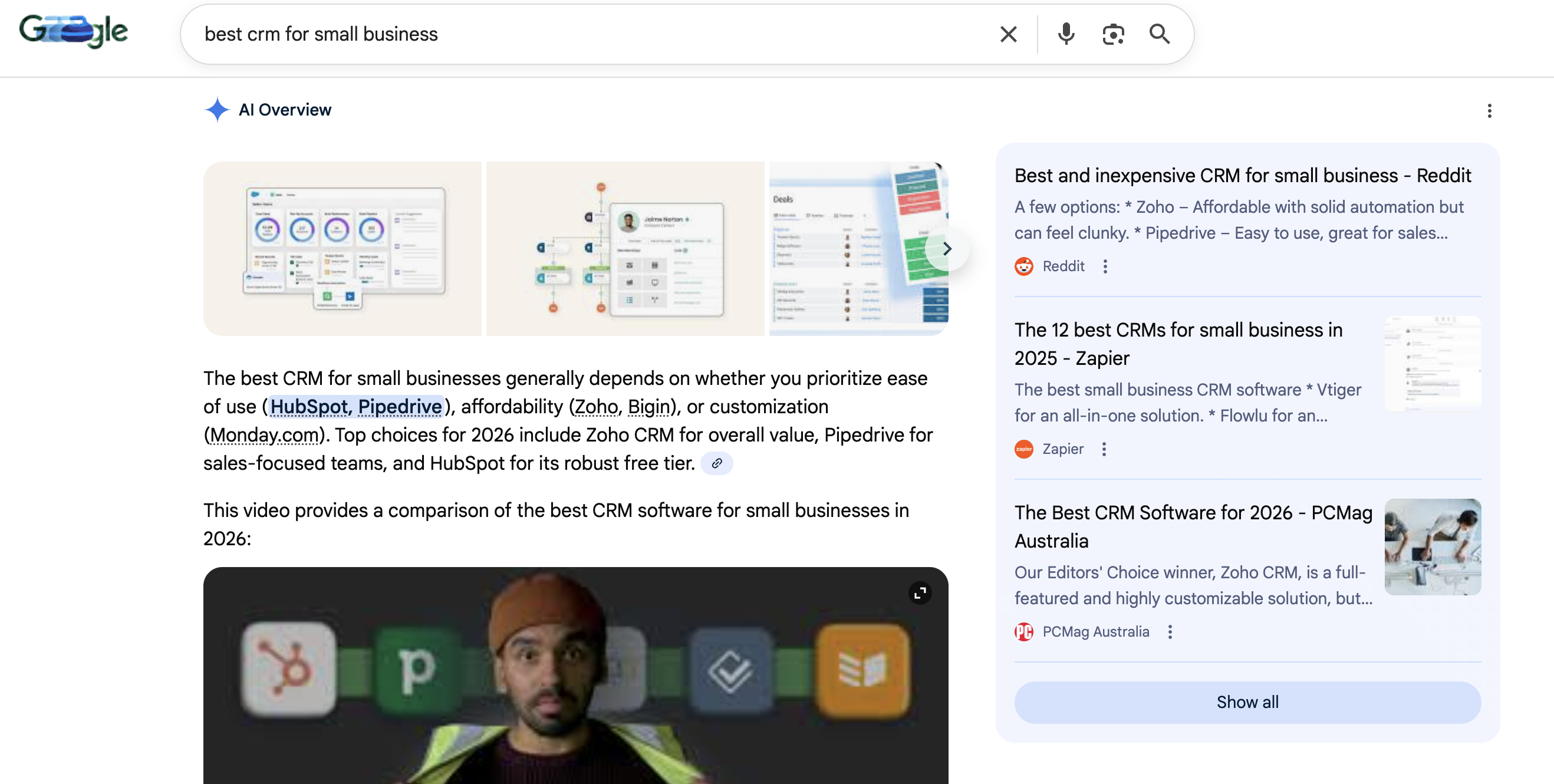
Search platforms don’t just list options anymore. They increasingly answer questions directly.
To do that, they have to decide:
- which source to trust
- which explanation to surface
- which brand to reference
That decision often happens before a user ever sees a traditional list of results.
AI summaries, featured snippets, FAQs, and voice-style answers all rely on one thing:
A result that can be confidently reused.
What “The Best Result” Actually Means Now
Being the best result isn’t about clever copy or keyword density.
It’s about being:
- clear
- specific
- structured
- credible
The best result:
- answers the question directly
- anticipates follow-up questions
- uses consistent terminology
- is easy for machines to parse and summarise
If content is vague, overly promotional, or poorly structured, it becomes difficult to reuse, even if it technically ranks well.
.png)
Why Lower-Ranking Pages Sometimes Win Visibility
This is where confusion usually sets in.
Businesses see that they rank well, yet:
- don’t appear in AI summaries
- aren’t referenced in answers
- experience declining click-through rates
Meanwhile, competitors with weaker rankings appear more often.
In most cases, this isn’t about authority. It’s about usability.
Pages that win selection tend to:
- explain concepts plainly
- use headings properly
- include FAQs
- fully satisfy search intent
They’re simply easier for systems to understand and trust.
How AI Systems Decide What to Use
AI systems don’t think in rankings. They think in confidence and completeness.
They favour content that:
- matches the question precisely
- uses plain, unambiguous language
- shows topical consistency
- aligns with recognised entities and concepts
This is why:
- long but unfocused content underperforms
- shorter, clearer content often win
- marketing language actively hurts selection
The goal isn’t to impress.
It’s to explain.
What This Changes About SEO Strategy
Traditional SEO focused heavily on:
- ranking improvements
- keyword expansion
- incremental optimisation
Those things still matter, but they’re no longer enough on their own.
Modern SEO needs to ask:
- Is this the clearest answer available?
- Would an AI confidently reuse this explanation?
- Does this page reduce confusion or add to it?
That’s a higher bar than “did we rank”.
Practical Ways to Become the Best Result
For most businesses, this isn’t about creating more content.
It’s about improving what already exists.
Start with:
- rewriting service pages to answer buying questions clearly
- adding FAQs based on real customer conversations
- removing filler language and internal jargon
- ensuring consistent terminology across the site
- using structure to guide both readers and machines
These changes don’t just improve visibility. They also make sales conversations easier and conversions more confident.
Why This Compounds Over Time
When your content is consistently selected:
- it reinforces brand credibility
- it shapes how users think before they click
- it influences future searches
Even if attribution becomes harder to track, the business impact compounds.
Being the best result builds trust at scale.
Bottom Line
Ranking #1 is no longer the finish line.
Being the best result is.
If your content isn’t clear enough to be selected, reused, and trusted, position alone won’t protect you.
The businesses that win next won’t be the loudest. They’ll be the easiest to understand.