#Don’t Let AI Have the Final Say - Edit Like a Human
AI is great for getting a first draft on the page, but it’s rarely publish-ready. Blogs that go live untouched often feel flat, repetitive, or robotic. Always read your draft out loud. Does it sound like something you’d say to a client? If not, tweak the tone, inject personality, and cut the fluff.
#Avoid Overused AI Tropes That Make You Sound Generic
Phrases like “AI is just a word predictor” or “in today’s fast-paced digital world” scream copy-paste. These are the lines everyone else is using, and they instantly tell readers (and Google) you’re not offering anything new. Replace them with specific insights, stats, or a point of view that’s uniquely yours.
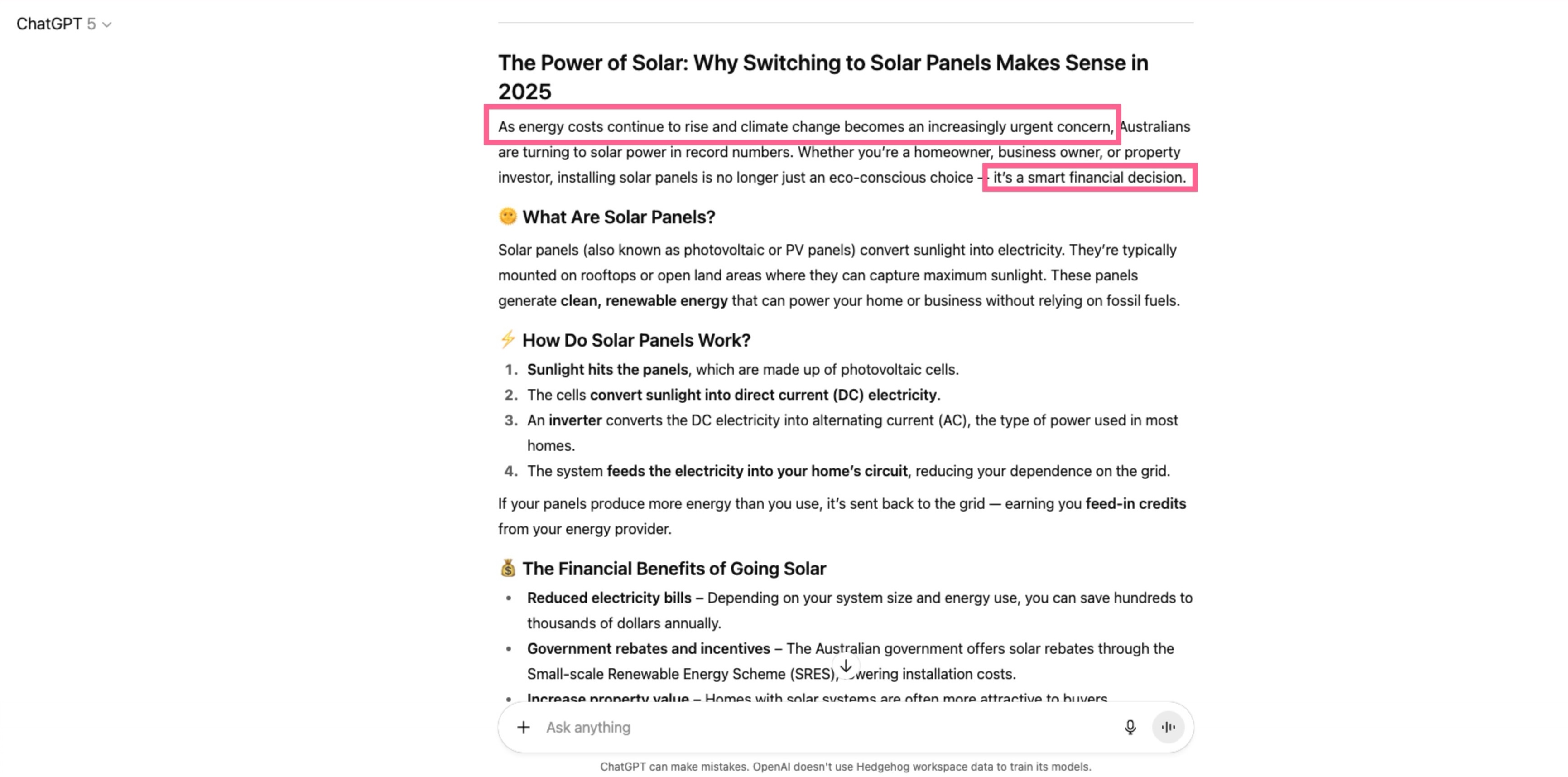
#Kill the Formatting Giveaways (Em Dashes, Spaces, Emojis)
AI loves a big shiny em dash - but readers notice when every paragraph is sprinkled with them. The same applies to starting new paragraphs with odd spacing or throwing in an emoji parade 🎉🔥🚀. Keep it clean: use standard dashes, fix spacing, and keep emojis minimal (if at all).
#Don’t Slip into American English (Keep It Local for SEO)
Publishing with American spelling when your audience is in Australia makes you look careless. It also hurts local SEO. Always spellcheck for Australian English - think optimise, not optimize. This small fix builds trust with your readers and signals to Google that your content is local and relevant.
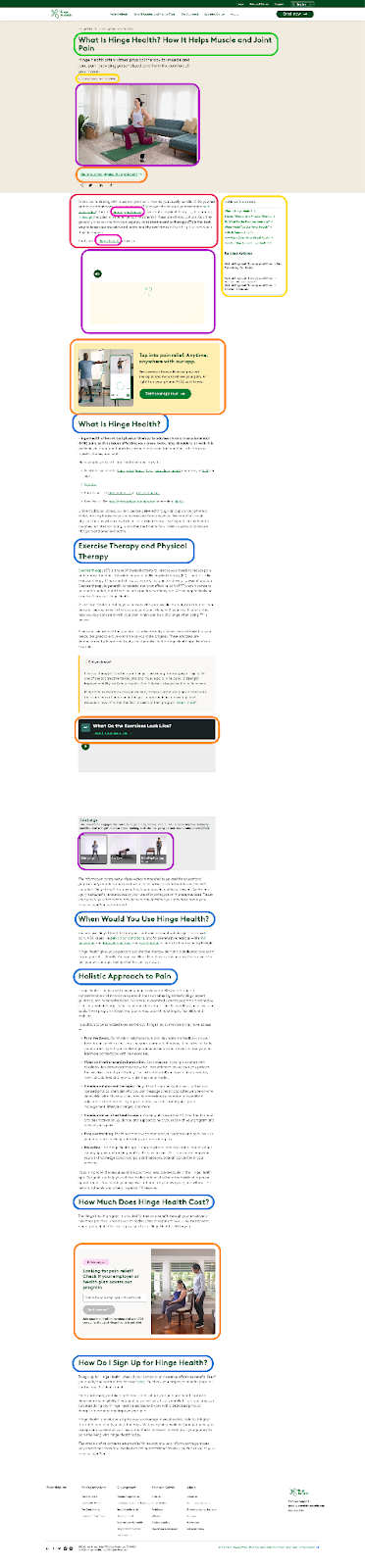
#Use Images and Infographics to Show Expertise
If your blog is only text, it looks (and feels) AI-generated. Adding custom images, charts, or how-to screenshots proves you know what you’re talking about. Even a simple Canva infographic or Loom screenshot can lift your authority and keep people reading longer.
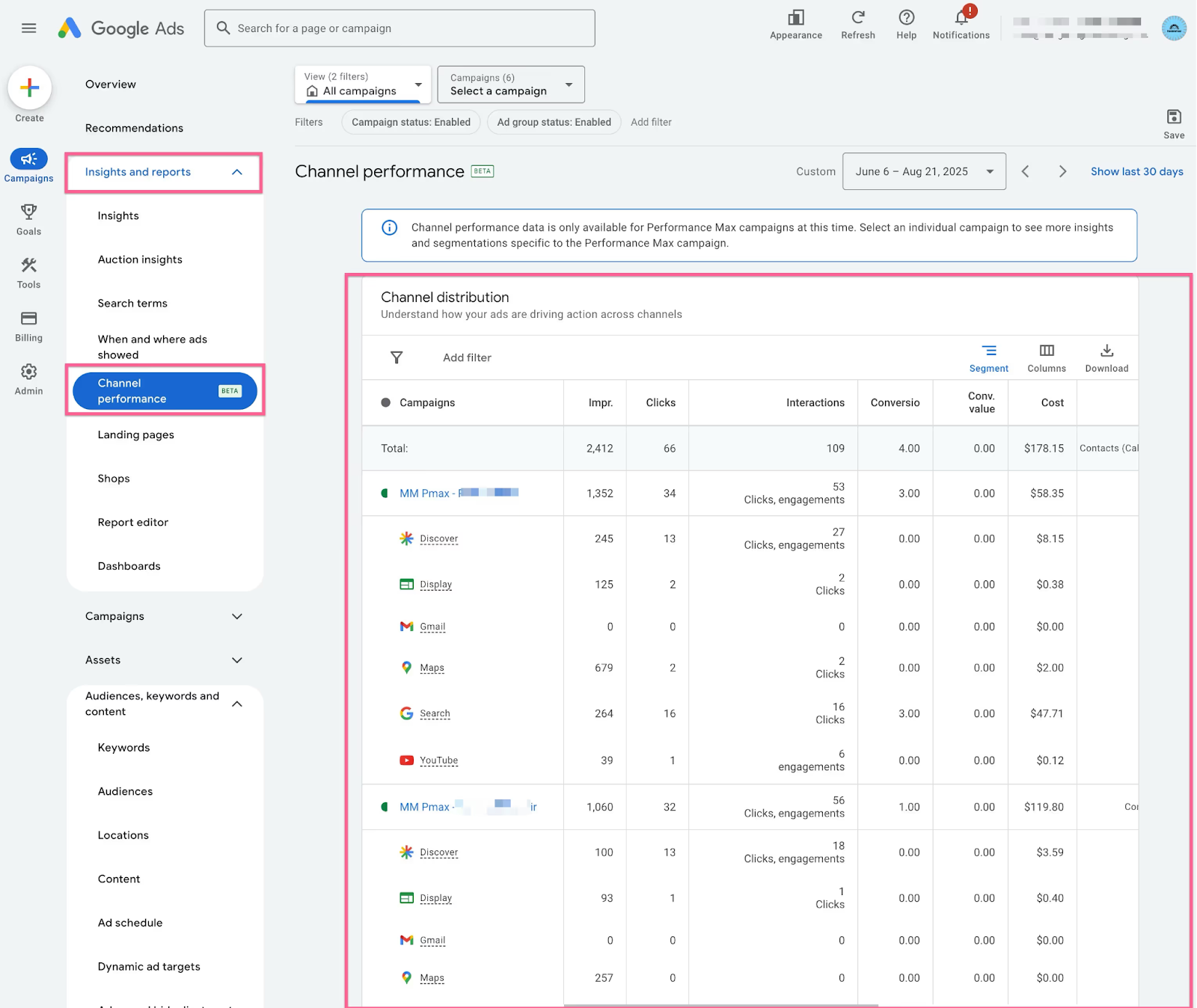
#Don’t Rely on AI Examples - Use Real, Custom Stories
AI examples are often vague or generic (“Imagine a small bakery trying to increase sales…”). Instead, pull from your own client stories, your business journey, or a real-world brand. Readers remember specifics - and they show Google that you’re offering something fresh and valuable.
#Forgetting SEO Basics (E-E-A-T Still Matters)
Google’s focus on Experience, Expertise, Authority and Trust (E-E-A-T) hasn’t gone away. AI can draft words, but it can’t prove experience. Add author bios, links to credible sources, and real data to boost your credibility. Keep your keyword strategy tight - long-tail keywords still help small businesses climb the rankings.
#FAQs
Can I use AI to write my whole blog?
Yes, but don’t. Use it for structure or first drafts, then edit heavily.
Will Google penalise AI content?
Not if it’s high quality. Google ranks for helpful, trustworthy content - whether it’s AI-assisted or not.
What’s the quickest fix to make AI blogs feel human?
Add real examples, fix the formatting, and make sure you’re using local spelling.
#Conclusion
AI is a powerful tool, but it shouldn’t be your ghostwriter. By avoiding the common mistakes above and layering in your human insights, examples and expertise, your blogs can rank on Google and resonate with readers.
This guide is written by Hedgehog, a ‘Done With You’ (DWY) digital marketing consultancy specialising in small and medium businesses in Australia. We offer digital marketing consulting, coaching and training.