#Understanding Your Needs and Goals
Before diving into the features of various email marketing platforms, it’s important to define what you need from a service.
- Your Business Size and Type: The scale of your operations and industry-specific needs can determine the best platform.
- Feature Requirements: Evaluate the importance of automation, analytics, and user-friendliness.
- Budget: Ensure the platform's pricing aligns with your budget while providing the necessary features.
#Key Features to Look For
1. Ease of Use
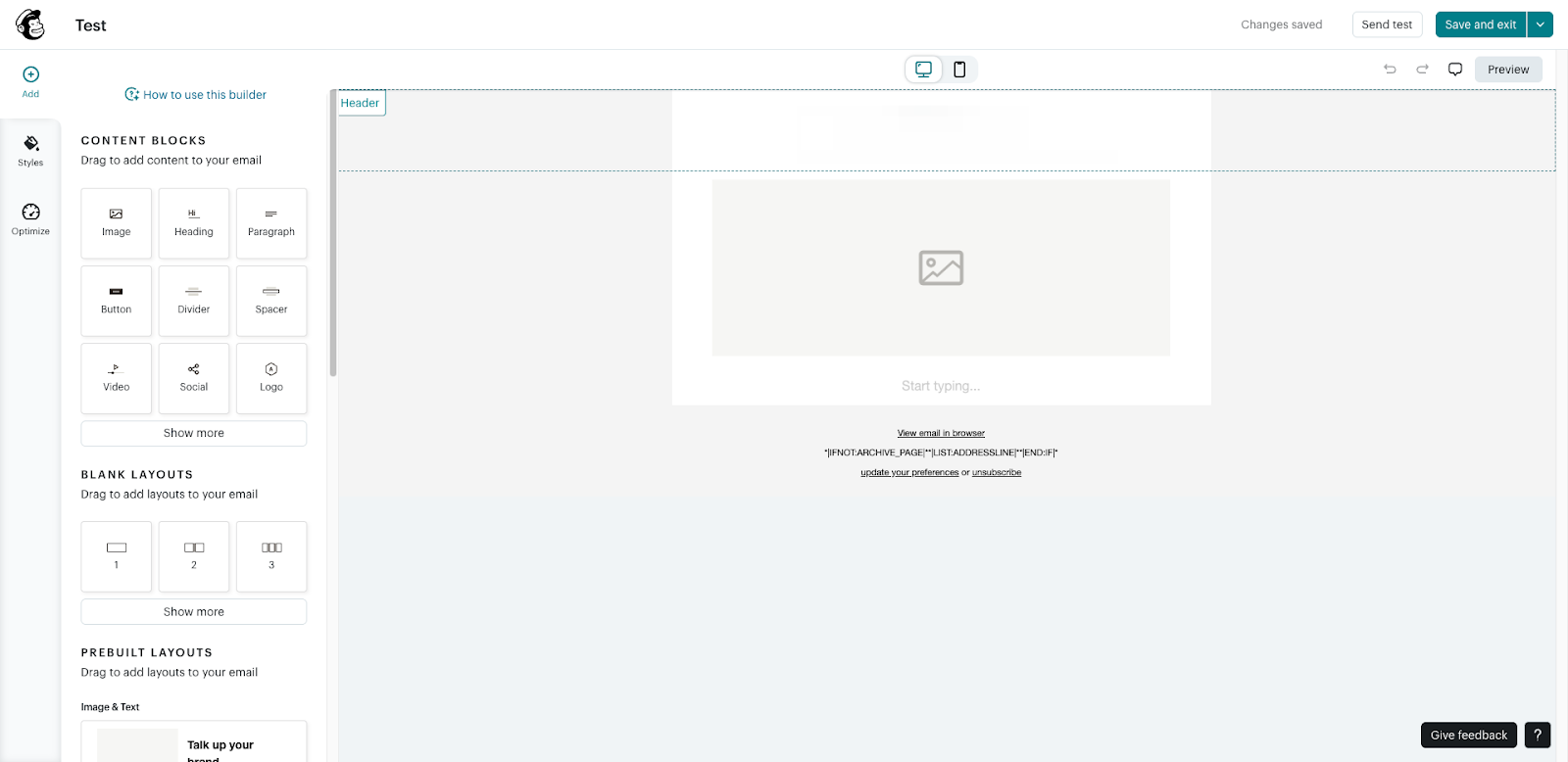
- The platform should have an intuitive interface that makes it easy to create campaigns, manage contacts, and analyse results without a steep learning curve.
2. Automation Capabilities
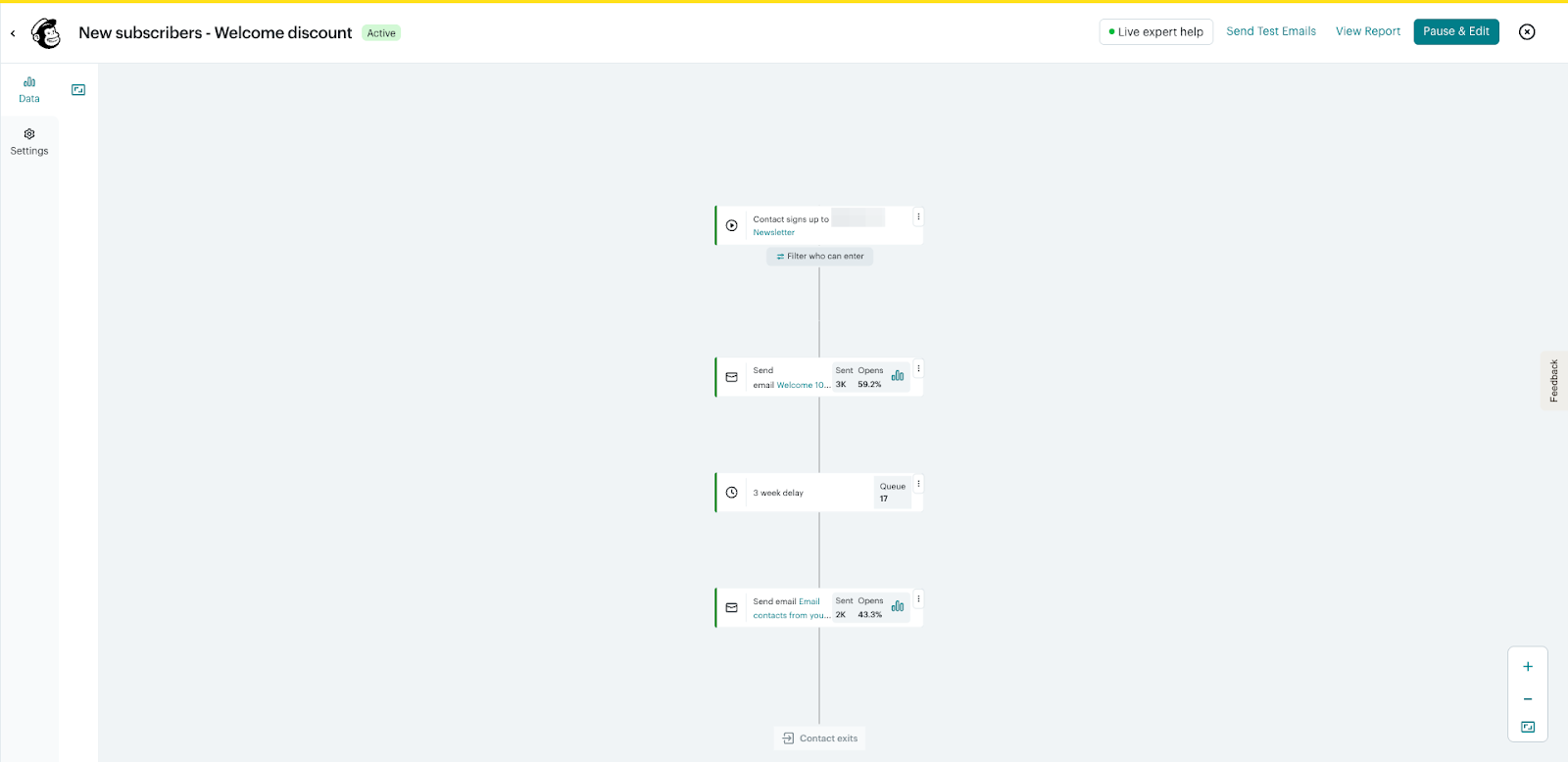
- Automation tools can save time and improve campaign effectiveness by triggering emails based on specific actions like sign-ups, purchases, or site visits.
3. Segmentation and Personalisation
- Look for platforms that offer advanced segmentation that allows you to target emails based on user behaviour, demographics, and other data.
4. Integration
- Your email platform should integrate with other tools you use, such as your CRM, analytics tools, and e-commerce platforms.
5. Reporting and Analytics
- Detailed reports can help you understand the performance of your emails, including open rates, click-through rates, and conversions.
#Evaluating Costs vs. Benefits
Different platforms offer various pricing structures, often based on the number of contacts or emails sent per month. Consider the long-term costs and not just the initial price. Also, evaluate the potential ROI that enhanced features might bring to your business.
#Testing and Support
Before finalising your decision, take advantage of free trials offered by most platforms. Testing the software will help you get a feel for its usability and features. Additionally, consider the type of customer support provided, as reliable support can be important in resolving issues quickly.
#Making Your Choice
When selecting an email marketing platform, consider your business size, technical capabilities, and specific marketing needs. It’s advisable to:
- Start with a trial: Utilise free trials to get a hands-on feel for the platform's interface and features.
- Evaluate customer support: Consider the quality of customer support, as you might need prompt assistance to resolve issues.
- Check for integrations: Ensure it integrates with other tools you use, such as your CRM, e-commerce platform, or customer data platform. Choosing the right email marketing platform is important for the success of your marketing efforts. By carefully assessing your needs, understanding the features that matter most, and testing the platforms, you can find a solution that supports your marketing goals and grows with your business.
#FAQs
Q: What should I consider when choosing an email marketing platform?
Key factors to consider include the size of your email list, the type of campaigns you intend to run, the level of customer segmentation and personalisation needed, integration with other tools, ease of use, customer support quality, and, importantly, your budget.
Q: Can I switch email marketing platforms easily if my needs change?
Switching platforms can be a manageable process, but it involves migrating your email lists and possibly redesigning your email templates and automation sequences. Look for platforms that offer migration support to ease this transition.
Q: How important are automation features in an email marketing platform?
Automation is important for scaling your email marketing efforts and providing personalised experiences to your subscribers. It helps in sending timely and relevant messages based on user behaviour, which can improve engagement and conversion rates.
Q: What is the best email marketing platform for a small business with a tight budget?
Platforms like MailerLite and Mailchimp's free tier are great for small businesses starting out. They offer essential features like automation, segmentation, and analytics, which are sufficient for small-scale operations.
Q: Are there any specific platforms you recommend for e-commerce businesses?
Klaviyo is highly recommended for e-commerce due to its deep integration with e-commerce platforms like Shopify and BigCommerce. It allows for advanced customer segmentation and triggers emails based on purchasing behaviour.
Q: What if I need to manage multiple campaigns and lists? Which platform is best?
ActiveCampaign and HubSpot are excellent choices for managing multiple campaigns and lists because of their advanced segmentation capabilities and solid automation tools that can handle complex campaign setups.
Q: How do I measure the success of my email marketing efforts?
Success can be measured through several key performance indicators (KPIs) such as open rates, click-through rates, conversion rates, and overall ROI. Ensure the platform you choose provides thorough analytics to track these metrics.
Q: Do email marketing platforms comply with data protection regulations?
Most reputable email marketing platforms are designed to comply with major data protection regulations. They include features that manage consent and provide easy unsubscribe options to comply with legal requirements.