#What Is User Lifecycle Mapping?
User lifecycle mapping is the process of identifying the key stages your customers go through-from the moment they discover you to when (hopefully) they become repeat customers and brand advocates. It helps you visualise their journey, highlight touchpoints, and ensure you’re offering the right message at the right time.
Think of it like drawing a map – but instead of roads and landmarks, you're mapping behaviours, decisions and experiences.
#The 5 Stages of the Customer Journey
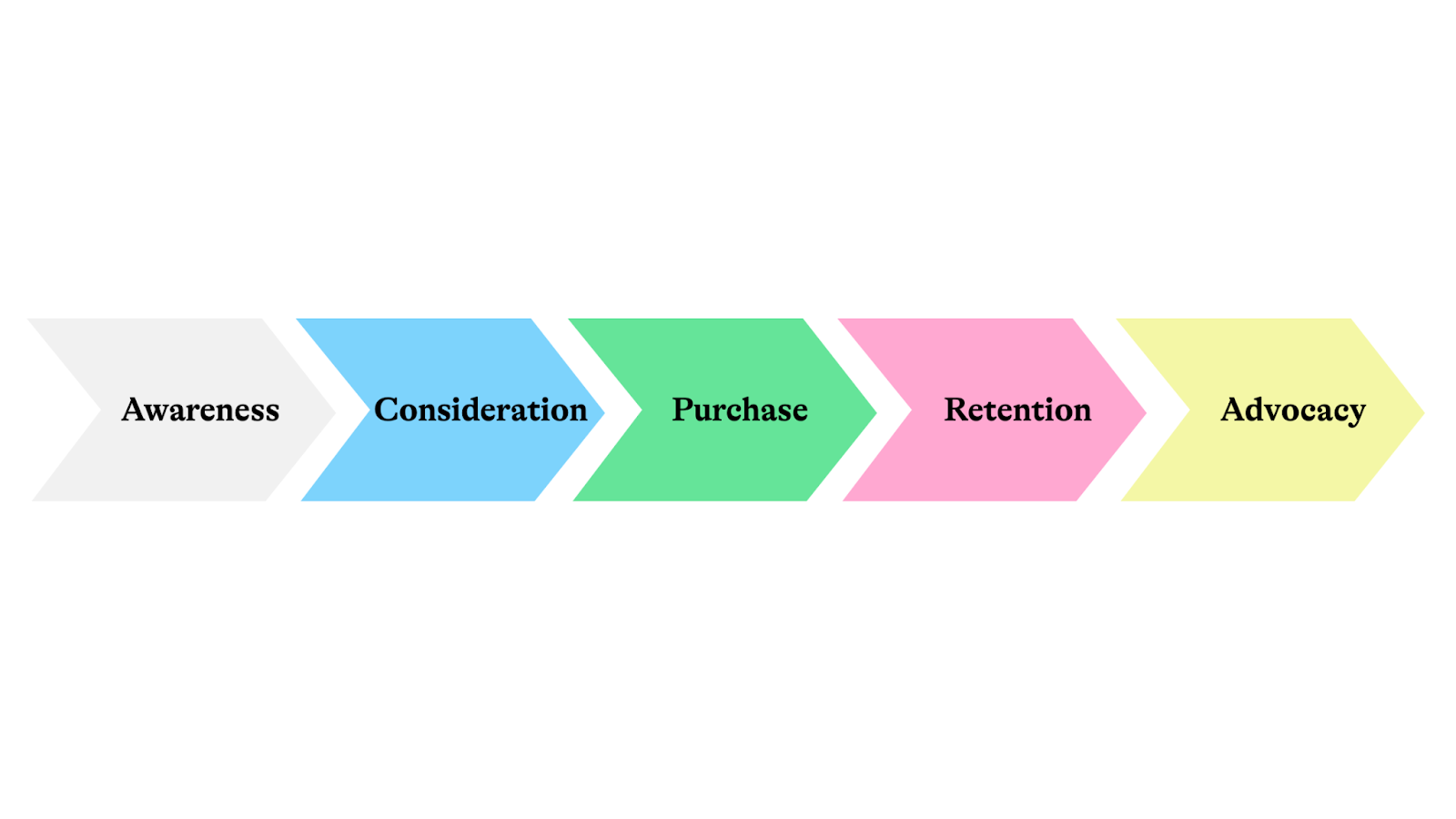
Here’s a simplified lifecycle for small businesses:
#1. Awareness
The customer realises they have a need. This could come from a search, social media post, word of mouth, or an ad. Your job here? Be discoverable.
#2. Consideration
They start researching options. Maybe they compare you to competitors or read reviews. Help them choose you by offering value – think testimonials, case studies, or helpful content.
#3. Purchase
They take action – buy the product, book the service or schedule a call. This is the pointy end of the funnel where your calls-to-action, pricing and process need to be frictionless.
#4. Retention
They’ve converted – now what? Retention encompasses onboarding, follow-ups, and ensuring they remain satisfied. A loyal customer is worth far more than a new one.
#5. Advocacy
A happy customer becomes your best salesperson. They refer others, leave glowing reviews or promote you on social media. Encourage this stage with referral programs, feedback requests or simple thank-yous.
#Why Mapping the Customer Journey Matters
Here’s what mapping your user lifecycle can do for your business:
- Improve targeting – deliver relevant content at each stage of the customer journey.
- Reduce drop-offs – identify where customers are getting stuck or dropping out.
- Boost conversions – optimise key touchpoints for action.
- Increase loyalty – create better post-sale experiences.
- Align your team – give your staff a clear view of how they contribute to the customer experience.
#How to Start Mapping Your Own User Lifecycle
You don’t need fancy tools to start – a pen, some paper, and 30 minutes of focused time is all it takes.
- List your customer journey stages (as above).
- Identify key touchpoints – where do customers interact with you at each stage of the process?
- Think about customer goals at each point – what are they trying to achieve?
- Map your messaging – are you helping or hindering their journey?
- Look for gaps – where are you losing people, or failing to support them?
#Real-Life Example: Mapping the Customer Lifecycle for a Local Tradie
Let’s explore how lifecycle mapping plays out for a local plumber, showing exactly how they can attract, convert, and retain customers-and turn them into referral machines.
#Stage 1: Awareness
A homeowner discovers the plumber because:
- Their hot water system just broke
- They search Google for “emergency plumber near me”
- They see a van with signage or a sponsored Facebook post
Here, visibility is key. The tradie needs:
- A Google Business Profile with reviews and contact info
- A simple, mobile-friendly website that appears in search
- Clear branding on vehicles and uniforms
#Stage 2: Consideration
The customer compares a few options:
- Checks online reviews and ratings
- Visits the website to see services, availability and call-out fees
- Looks for signs of professionalism – licenses, guarantees, photos
Trust-building is important here. The plumber should:
- Showcase testimonials and before/after photos
- Highlight emergency service response times
- Clearly explain pricing and availability
#Stage 3: Purchase
The customer picks up the phone or books online. This moment must be seamless:
- A fast, helpful response to calls or web forms
- Clear explanation of next steps
- Appointment confirmation via text or email
If the tradie answers the phone quickly and shows up on time, they’re already beating most competitors.
#Stage 4: Retention
After the job is done:
- The customer receives a thank-you SMS or email
- They’re added to a maintenance reminder list (e.g. “it’s been 12 months – time to service your heater”)
- They get a small loyalty offer (e.g. $20 off their next visit)
Now the focus is on staying memorable. Using email or SMS follow-ups ensures they don’t call someone else next time.
#Stage 5: Advocacy
If the customer’s happy, they might:
- Leave a 5-star review on Google or Facebook
- Refer the plumber to neighbours or post in a local group
- Use them again for another job in future
A good tradie can supercharge referrals by:
- Sending a link to review immediately after the job
- Offering a referral discount (“Get $25 off when a mate books”)
- Asking for feedback and showcasing it on their site
#Tools to Help You Map and Measure
- Google Analytics – to see how customers behave on your website.
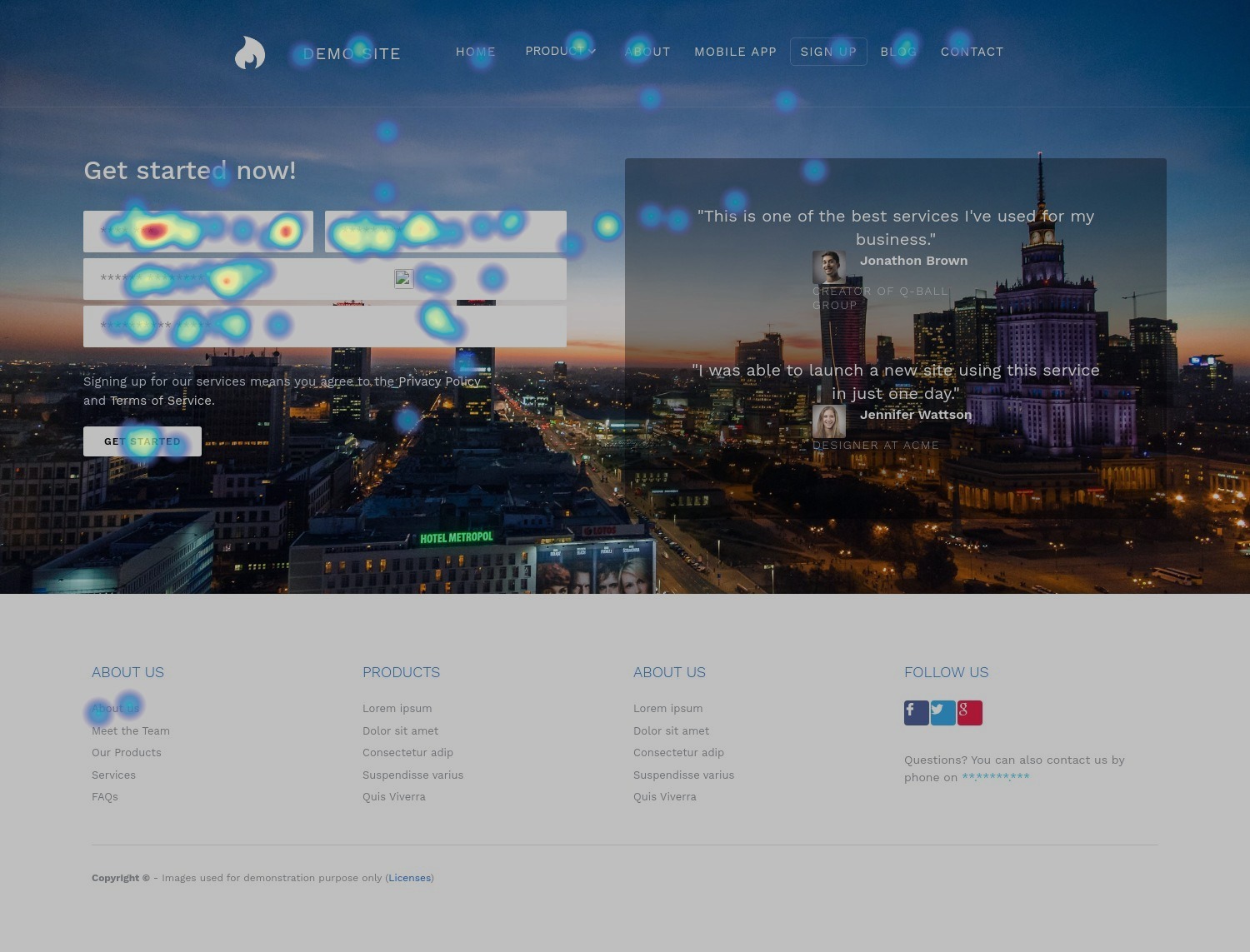
- Hotjar – for heatmaps and session recordings.
- Lucidchart / Miro – for visual mapping.
- CRM or email platform – such as Mailchimp or Klaviyo- to track customer stages.
And yes, even a good old Excel spreadsheet can do the job to start.
#Common Mistakes to Avoid
- Trying to map every detail – focus on the big picture first.
- Assuming, not asking – get real customer feedback to understand the journey.
- Ignoring after the sale – retention and advocacy are critical for long-term growth.
- Making it once and forgetting it – revisit your map regularly as your business evolves.
#FAQs
#How often should I review my customer lifecycle map?
At least once a year or whenever you launch a new product/service or shift strategy.
#Can I use the same map for all customers?
Start with one, but consider creating separate journeys for different customer types if you serve distinct audiences.
#What’s the quickest way to improve customer retention?
Follow-up emails, onboarding content, and loyalty offers are three simple places to start.
#Conclusion
Mapping your user lifecycle isn’t just for big companies – it’s one of the most practical and effective strategies a small business can implement. It helps you meet your customers where they are, keep them happy, and turn them into superfans. And that’s exactly how you build a business that lasts.
This guide is written by Hedgehog, a DIY digital marketing consultancy specialising in small and medium businesses in Australia. We offer digital marketing consulting, coaching and training.